History
Historical and intellectual research grounded in primary and secondary sources.
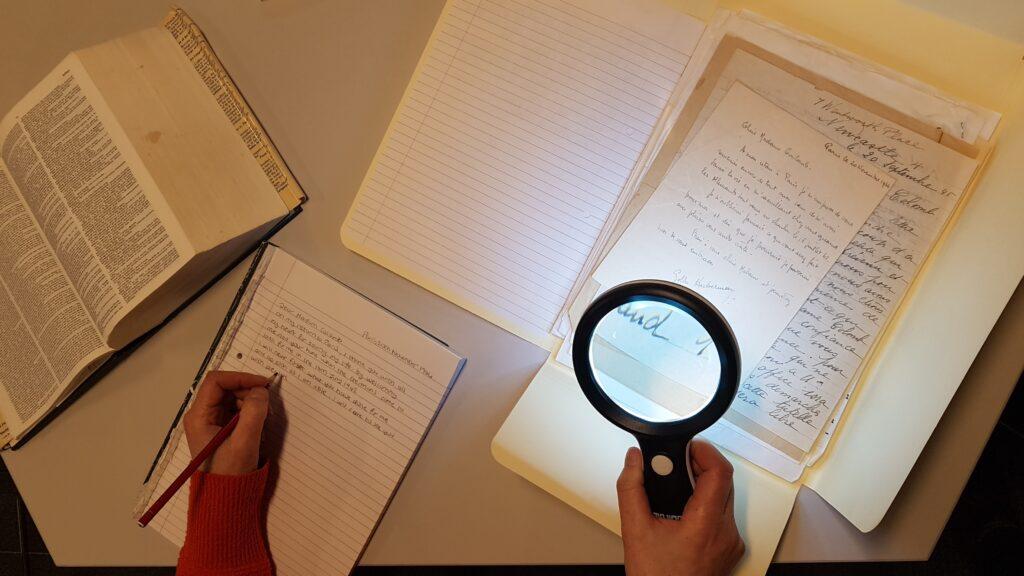
Historical, Archival & Cultural Research
An independent research consultancy specializing in archival investigation, historical research, art history, visual culture, heritage, and manuscript development.
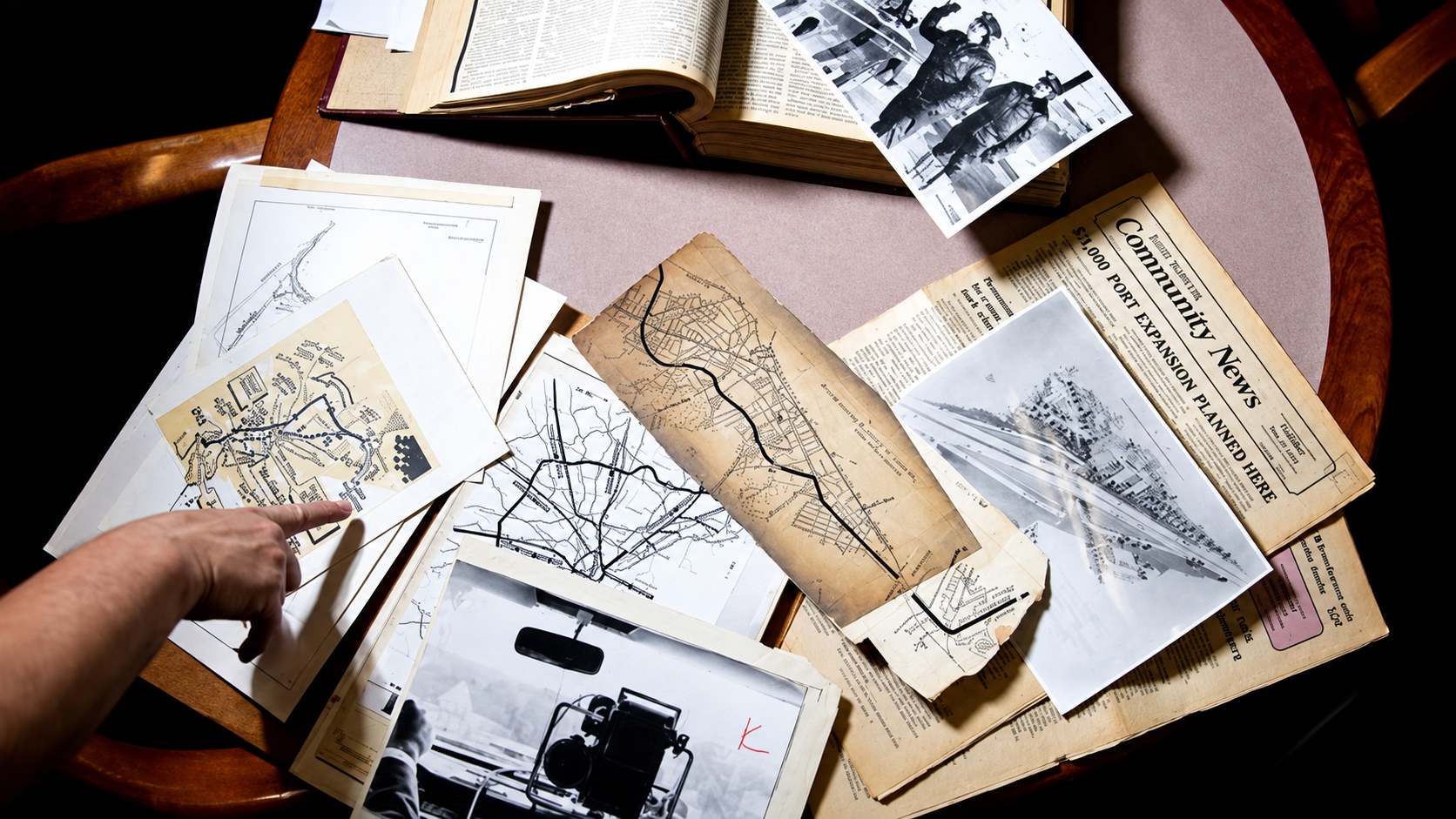
Connecting archives, documents, people, places and ideas
Archive & Inquiry is an independent research practice providing specialist historical, archival, cultural, and heritage research.
Founded by historian and researcher Dr. Nadeem Omar Tarar, the practice brings together archival investigation, historical scholarship, art history, visual culture, material history, and applied research.
Our projects range from focused archival investigations to substantial research assignments supporting books, biographies, exhibitions, documentaries, institutional histories, and heritage projects.
Archive & Inquiry is particularly experienced in research involving South Asia, its histories and cultural institutions, and its connections with wider intellectual, artistic, and transnational networks.
Archives contain silences. Documents have institutional contexts. Memories change. Objects move. Institutions reconstruct their own histories.
Our work therefore goes beyond locating sources. We examine how evidence was produced, preserved, transmitted, and interpreted.
The result is research that is rigorous without being mechanical, and interpretive without losing sight of the evidence.
We ask
Historical and intellectual research grounded in primary and secondary sources.
Investigation across institutional, governmental, personal, publishing, and cultural collections.
Research into images, objects, architecture, artists, collections, museums, and visual representation.
Research into the institutions, practices, ideas, and exchanges through which cultures are produced and transformed.
Historical research connecting places, material remains, memory, interpretation, and contemporary heritage practice.
Histories of South Asia and their connections with wider intellectual, artistic, and transnational networks.
Independent practice. Archive & Inquiry operates independently of the academic and cultural institutions with which its founder may be affiliated or collaborate.
Academic affiliations and research collaborations do not constitute institutional endorsement of Archive & Inquiry or its commissioned work.
Archive & Inquiry provides specialist research for projects in which historical evidence, context, and interpretation matter.
We investigate primary sources across archives, libraries, institutional collections, personal papers, government records, newspapers, published materials, and digital repositories.
We undertake research into art, architecture, visual culture, material culture, collections, museums, and cultural institutions, with particular expertise in South Asia and its wider transnational connections.
We reconstruct individuals within the intellectual, institutional, political, social, and cultural worlds that shaped them.
Research may draw on personal papers, institutional records, correspondence, publications, newspapers, oral histories, and other documentary sources.
We support authors from the initial research question through manuscript development.
For substantial historical works, research can be undertaken as an integrated project rather than a series of isolated research tasks.
Organizations leave behind complex documentary records.
We reconstruct institutional histories through minutes, correspondence, photographs, publications, reports, personal papers, archives, and other sources.
We provide historical research for museums, galleries, heritage organizations, exhibitions, and cultural projects.
We assist documentary producers, filmmakers, journalists, and media organizations with historical background research and verification.
Archive & Inquiry has particular expertise in South Asian history and its connections with wider worlds.
This is a specialist capability rather than a geographical limitation.
Not every historical question requires a major research project. For clients at the beginning of a project, we offer a focused assessment of the existing state of research, available evidence, relevant archives and collections, major historiographical questions, research obstacles, potential strategies, and the feasibility and scope of further investigation.
The result is a concise research prospectus that helps the client determine whether and how to proceed.
A comprehensive documentary foundation for a book, documentary, exhibition, institutional history, or other historical project. A dossier may include:
Selected projects demonstrate how we work with complex source material and transform archival evidence into coherent historical narratives.
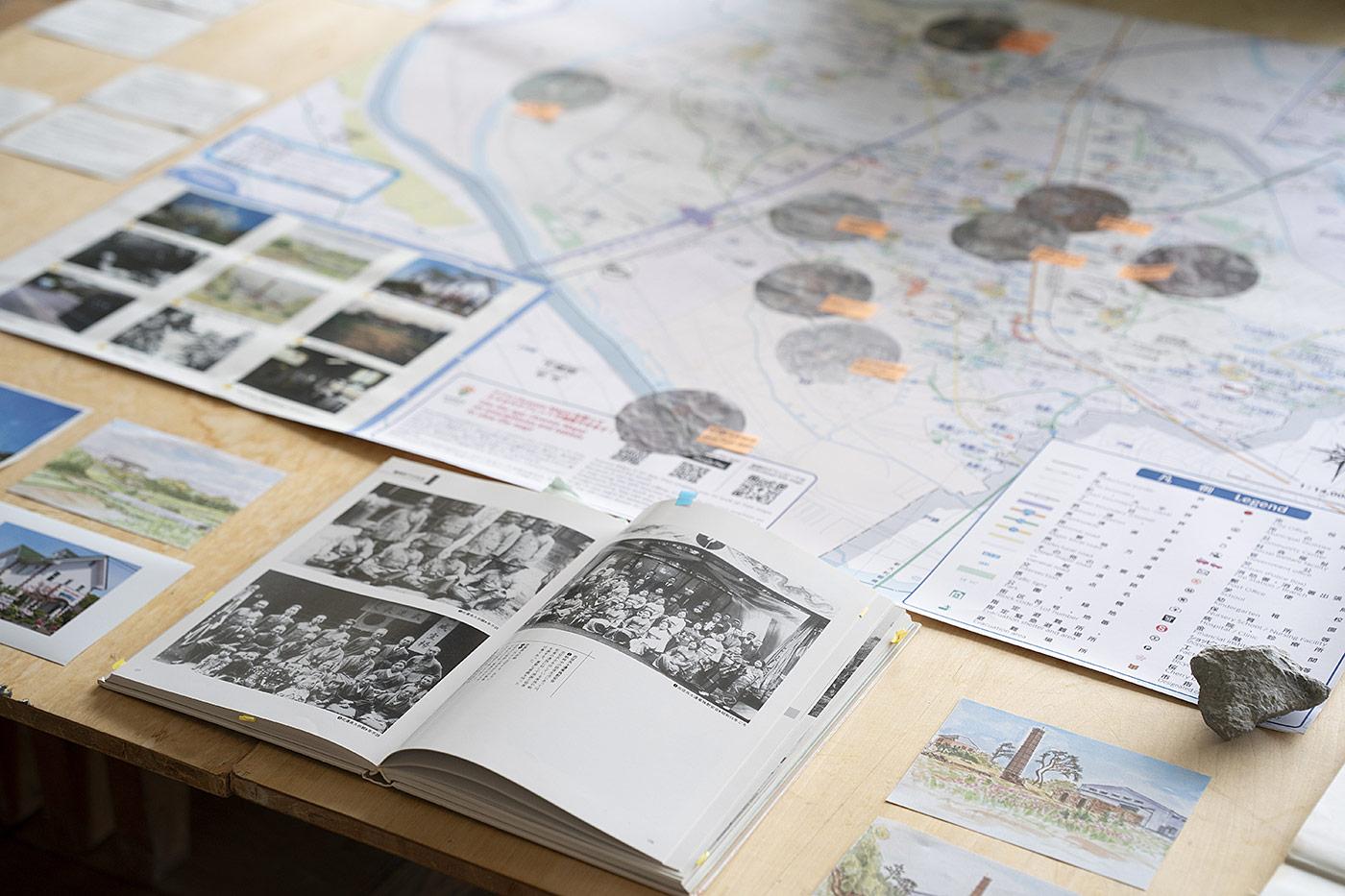
Archive & Inquiry was commissioned to undertake research and manuscript development for a scholarly biography of Dr. Muhammad Nazim, a historian and archaeologist whose career intersected with the development of modern archaeology and historical scholarship in South Asia.
The project reconstructs Nazim's intellectual and professional life through archival investigation, including previously unpublished papers preserved at Stanford University, alongside published sources, institutional records, and other historical materials.
Rather than treating biography as chronology alone, the research situates Nazim within the intellectual, institutional, and scholarly networks through which historical and archaeological knowledge was produced in colonial and early postcolonial South Asia.
Currently under development for publication
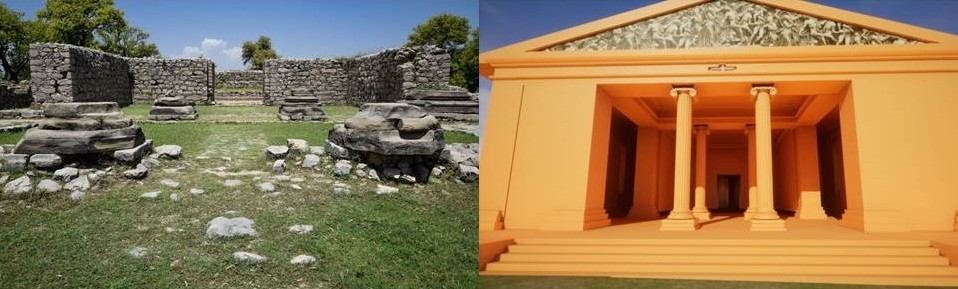
Archive & Inquiry has undertaken digital documentation and visualization projects involving important archaeological and heritage sites in Taxila. These projects combine historical and archaeological research with field documentation, digital recording, visualization, and heritage interpretation.
Research and documentation associated with the digital recording and 3D visualization of the Mohra Muradu Buddhist monastery at Taxila — bringing together historical and archaeological research, field documentation, site interpretation, and digital visualization to create a research-based record of the monument and its architectural context.
The project demonstrates how digital documentation can extend archaeological and historical research by creating new forms of recording, visualization, interpretation, and public access.
Digital documentation associated with the Jandial Temple at Taxila, an important archaeological monument traditionally associated with Zoroastrian religious traditions. The project brought together field documentation, archaeological and historical research, site interpretation, and digital recording to develop a research-based digital record of the monument and its architectural setting.
Together with the Mohra Muradu project, the Jandial documentation demonstrates the practice's experience in applying digital methods to the documentation, interpretation, and preservation of archaeological and heritage sites.
Confidentiality. Client projects may involve unpublished archival materials, private collections, proprietary research, or manuscripts in development.
Archive & Inquiry respects client confidentiality and publishes project information only where appropriate. The projects presented here have been selected to demonstrate the practice's capabilities while respecting the privacy and intellectual interests of its clients.
Archive & Inquiry publishes occasional research notes on archival discoveries, historical methods, art and cultural history, and the interpretation of documentary evidence.
These essays offer insight into the questions, sources, and methods that inform our approach to historical research.
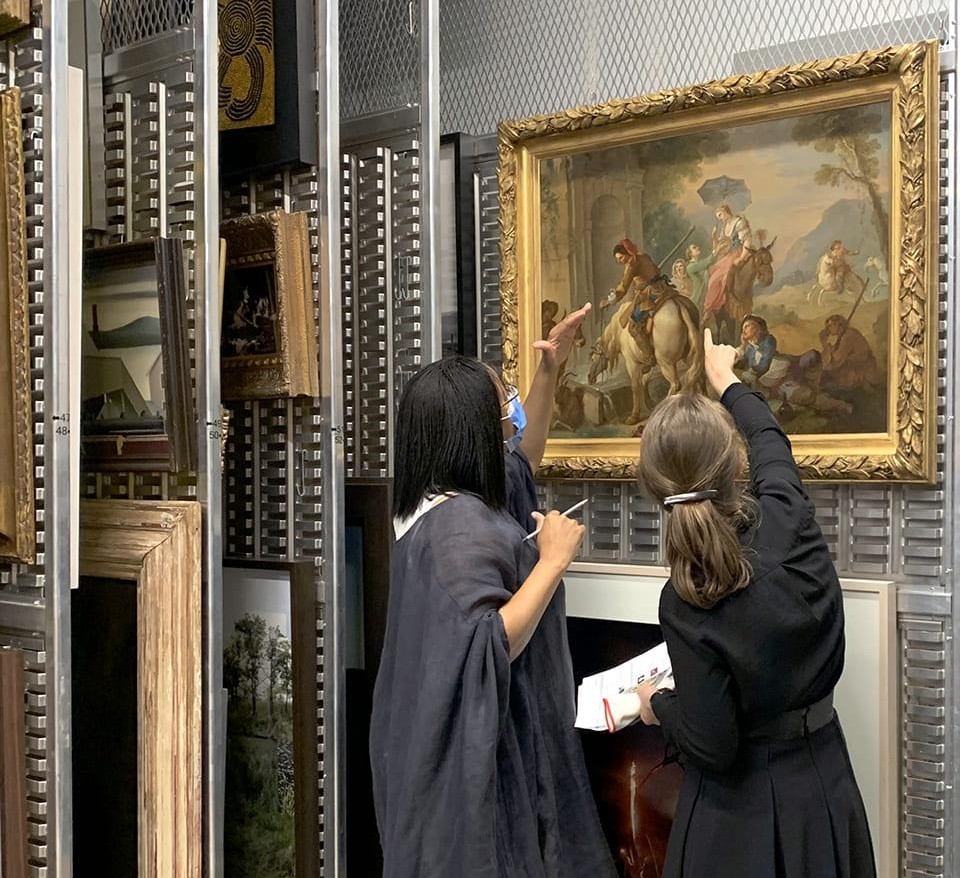
Objects, images and collections in their institutional contexts
How historians locate, evaluate, contextualize, and interpret documentary evidence.
How images, objects, buildings, and collections acquire meaning within changing historical contexts.
How individuals can be understood through the institutional and intellectual networks in which they worked.
How books, translations, publishers, and readers shape the circulation of ideas across borders.
How archaeological sites and cultural landscapes acquire meaning through changing historical interpretations.
How people, institutions, ideas, and cultural practices moved across the boundaries of modern nation-states.
Evidence becomes meaningful when it is situated within the circumstances of its production, its relationship to other sources, and the historical structures within which it operated. Our research therefore moves through:
We are particularly interested in questions where the historical record is fragmented, dispersed, contested, or difficult to access.
The Research section is independent of Archive & Inquiry's commissioned projects. Research published here reflects the scholarly interests and methods of the practice and does not necessarily represent client work.
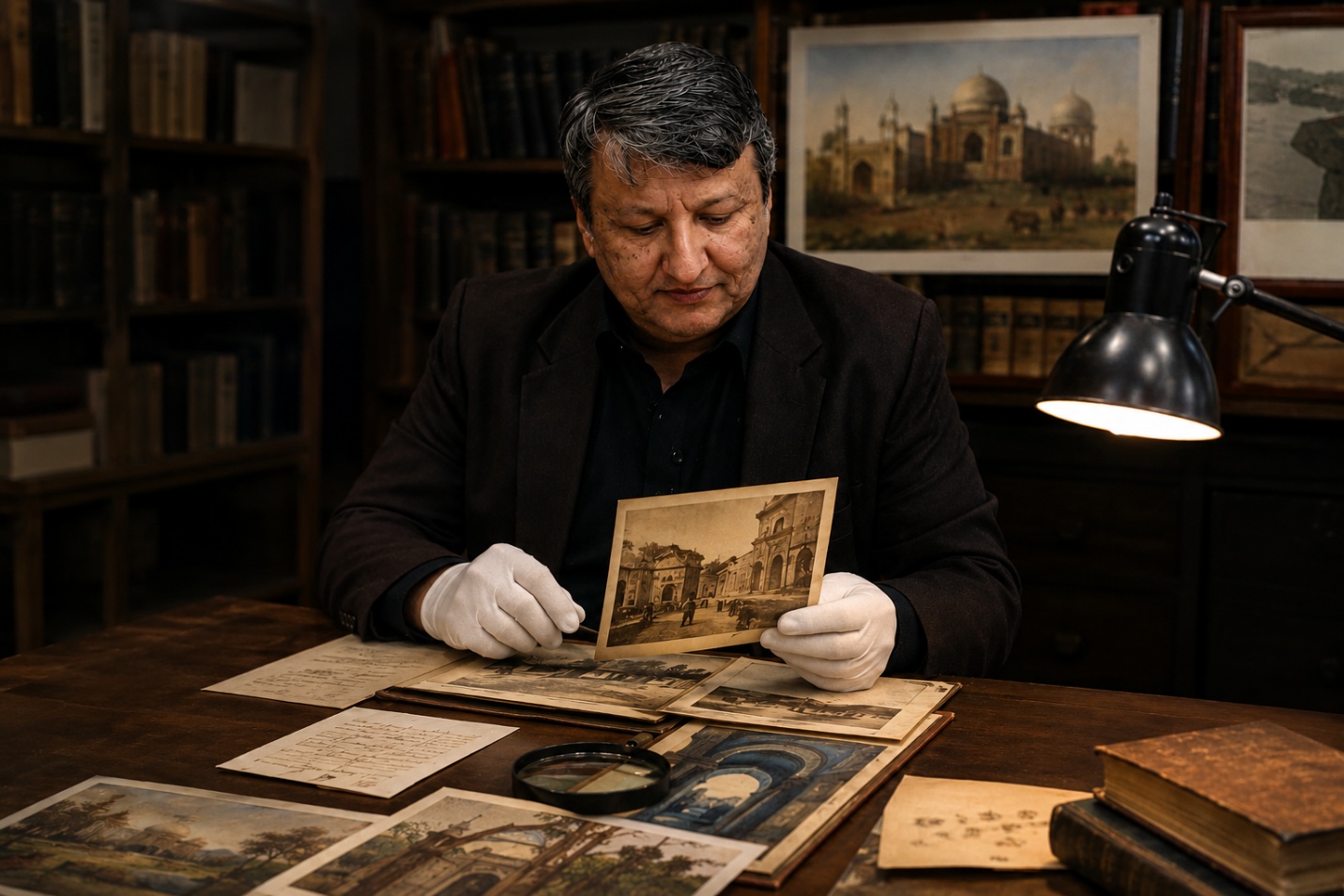
Dr. Nadeem Omar Tarar — Founder & Principal
Dr. Nadeem Omar Tarar is a historian, researcher, and cultural consultant with more than two decades of experience in historical research, cultural institutions, heritage, archives, and higher education. His work combines archival investigation, historical research, cultural documentation, heritage research, and the development of research-based publications and public programs.
He has worked across South Asian archives and cultural collections, with particular expertise in the history of art and design, colonial and postcolonial South Asia, cultural heritage, institutional history, publishing, and material and visual culture.
Before establishing Archive & Inquiry, Tarar held academic, institutional, and cultural leadership positions in Pakistan, including Executive Director of the Center for Culture and Development, Campus Director of the National College of Arts in Rawalpindi, Gandhara Chair at the University of Wah, and Associate Professor and Department Chair at the National College of Arts, Lahore.
He has also undertaken archival and historical research through research fellowships and collaborations in Pakistan, the United Kingdom, and the United States, and currently serves as a Senior Research Fellow and Research Affiliate in the Department of Anthropology at The University of Texas at Austin.
Current research. Alongside his professional work, Tarar continues to pursue independent historical research, including projects concerning publishing and translation in South Asia, colonial knowledge and modern Punjab, the intellectual history of historian and archaeologist Muhammad Nazim, and historical traditions surrounding the Taxila Cross.
These scholarly projects inform the subject expertise available through Archive & Inquiry but remain distinct from the firm's commissioned research and consultancy work.
Have a historical question that requires deeper investigation? We welcome inquiries about focused research assignments as well as larger collaborative projects.
Archive & Inquiry works with authors, publishers, museums, cultural institutions, documentary producers, foundations, universities, and private clients.
Initial consultation. For complex projects, we may begin with a focused consultation or Historical Research Assessment before proposing a larger research engagement. An initial assessment can establish research feasibility, likely sources, relevant archives, potential obstacles, methodology, scope, and project requirements.